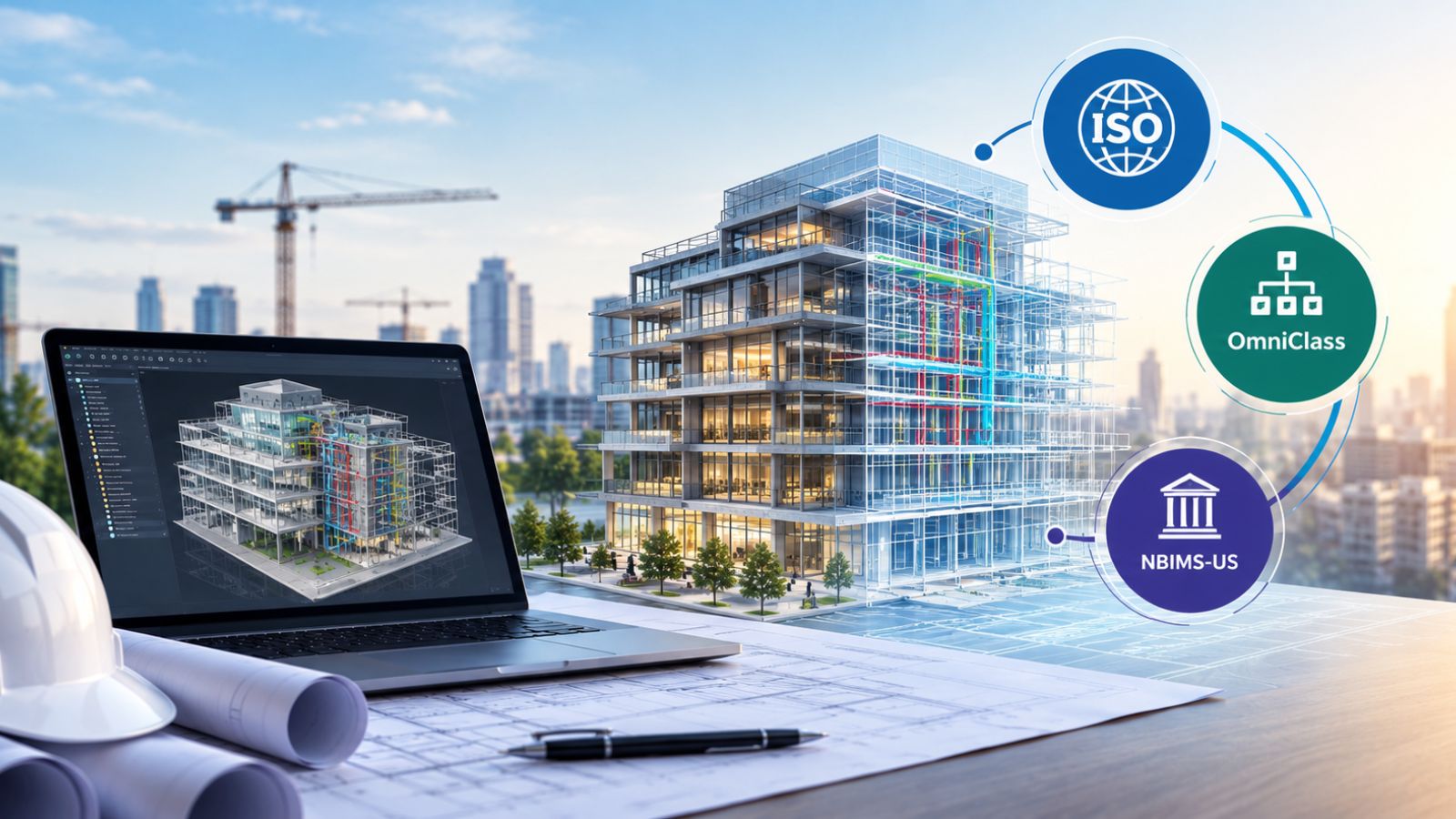
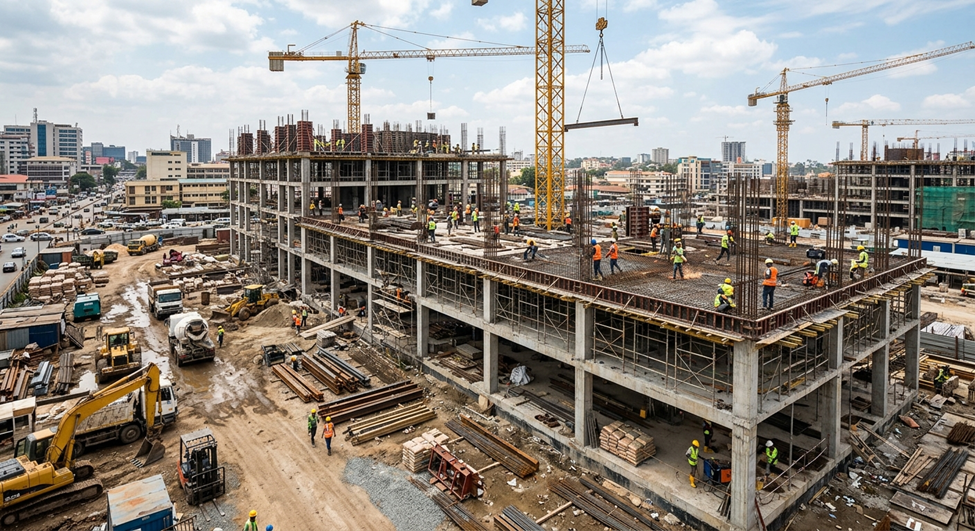
Precast construction is becoming a popular choice for building faster, safer, and more cost-effective structures. A key part of this approach is the use of modular formwork, which is a reusable mold that helps create uniform, high-quality concrete components. When they are combined with Building Information Modelling (BIM), the entire process becomes even more efficient and well-coordinated.
We understand how challenging it can be to balance speed, safety, and cost without sacrificing quality, especially when timelines are tight and coordination is complex. That’s where the combined power of BIM and modular formwork steps in to simplify the process and reduce the guesswork.
BIM adds digital precision to modular formwork, improving planning, reducing errors, and saving time on site. It helps teams visualize each step, manage resources better, and deliver projects on schedule and within budget.
In this article, you’ll look at how BIM and modular formwork work together in precast construction, how they improve speed and quality, the challenges to keep in mind, and what future technologies are set to change the game even further.
What is Modular Formwork in Precast Construction?
Modular formwork is a smart and modern system used in construction to shape and support concrete. It’s especially useful in precast construction, where concrete parts, such as walls, slabs, beams, and columns, are made either off-site or on-site. Modular formwork enables builders to create these parts accurately, efficiently, and repeatedly.
Unlike the old-school formwork that’s usually built just once and thrown away, modular formwork is made up of ready-made panels or units. These are super flexible; you can easily put them together, take them apart, and reuse them for different sections of the same project or even entirely new ones. That means less time spent on setup and take-down, and fewer hands needed to get the work done.
Modular formwork is a smart, efficient way to shape concrete, which is why it’s becoming such a go-to in precast construction. But to really understand what makes modular formwork stand out, let’s take a closer look at the features that give it an edge over traditional methods.
Key Characteristics of Modular Formwork in Precast Construction

Modular formwork systems have several standout features that distinguish them from traditional methods. Knowing these key traits helps us understand why they’ve become such a go-to choice in today’s precast construction. Here are some of the main characteristics of modular formwork in precast construction:
- Reusability: One of the biggest advantages of modular formwork is that it can be used repeatedly, sometimes for dozens or even hundreds of times, without losing its strength or accuracy. This reduces waste and also saves money over time.
- Consistency and Precision: Since the parts are standardized, you get uniform shapes and sizes every time you use them. This helps improve the quality of your precast concrete and avoids differences from one piece to another.
- Speed of Construction: Modular formwork is quick to assemble and disassemble. This speeds up the production of precast elements, helping projects stay on schedule, even when deadlines are tight.
- Flexibility: Although it’s a modular system, many setups can be easily adjusted to suit different sizes and shapes. That makes it useful for a wide range of precast components.
- Durability: Made from strong materials such as steel, aluminium, or tough composites, modular formwork is designed to last. It can handle heavy loads and repeated use without wearing out or losing shape.
Understanding the key characteristics of modular formwork helps highlight why it stands out in precast construction.
Another important innovation that makes a significant impact is Building Information Modelling (BIM), which plays an important role in enhancing modular formwork and precast projects.
Role of BIM in Enhancing Modular Formwork and Precast Projects

Building Information Modelling (BIM) plays a big role in getting the most out of modular formwork and precast concrete. By giving teams a clear, detailed digital view of the entire project, BIM enables teams to plan, coordinate, and manage every stage, leading to quicker timelines and better overall efficiency.
Here’s how BIM supports important aspects of modular formwork and precast construction:
Planning Formwork Reuse Cycles with BIM
BIM makes it easier for teams to plan exactly how modular formwork is reused throughout a project. It tracks each unit’s condition, location, and usage frequency within the digital model. This kind of tracking helps ensure the formwork is used efficiently across different precast elements, cutting down on delays and increasing the number of reuse cycles.
BIM also helps prevent overuse or underuse by allowing teams to visualize and simulate reuse schedules. That means the formwork lasts longer, and overall project costs come down.
Simulating Erection Sequences for Better Efficiency
Using 3D modelling and sequencing tools, BIM lets teams preview how precast elements and formwork will come together on-site. This way, they can catch problems like tight spaces, scheduling mix-ups, or workflow hiccups before construction even kicks off.
Having a solid plan like this means the whole build goes more smoothly, with fewer delays and a safer worksite for everyone.
Reducing Design Clashes and Errors Through BIM Coordination
One of the biggest strengths of BIM is its ability to detect clashes. By combining architectural, structural, and MEP (mechanical, electrical, and plumbing) models into one system, BIM helps spot and resolve design issues early.
This is especially important for modular formwork and precast construction, where everything needs to fit together perfectly. Solving problems digitally before construction starts helps avoid costly changes, keeps the project on schedule, and ensures better quality outcomes.
Also read: A Guide to Building Information Modelling (BIM) Impact on Modern Construction Industry.
Beyond its impact on modular formwork and precast projects, BIM also enhances collaboration between these elements, enabling more efficient coordination of workflows.
Collaboration Between Modular Formwork and Precast Elements Enabled by BIM
The combination of modular formwork and precast elements is changing how construction projects are delivered, and Building Information Modelling (BIM) is the key that brings it all together. Acting as a digital bridge, BIM helps teams collaborate smoothly at every stage of the project.
Here are some of the key ways BIM supports this integration and simplifies the process:
Centralized Digital Platform
BIM provides a shared 3D model of the entire project, capturing every detail in one place. This centralized view allows all teams to coordinate specifications, dimensions, and tolerances with accuracy, eliminating guesswork and reducing confusion during planning and execution.
Minimized Inconsistencies
Teams align all design elements within the model and tailor modular formwork precisely to fit the dimensions of precast components. This ensures a perfect match and helps avoid on-site mismatches, rework, and delays.
Real-Time Synchronization
BIM supports real-time updates and version control. Any design changes to the modular formwork or the precast elements are instantly reflected across the entire model. This live synchronization keeps all stakeholders on the same page and helps prevent miscommunication.
Workflow Visualization
Using BIM, teams can simulate how modular formwork, and precast components will interact during fabrication, transportation, and installation. This visualization helps identify and resolve potential fitment or logistical issues before they impact on-site activities.
Ready to simplify your projects and achieve these benefits?
BIM ASSOCIATES is your one-stop BIM Solution provider for Revit Architectural and Structural Solutions. They coordinate with your team to develop, record, and streamline the BIM Revit Model, along with the sheets, Bill of Quantities, Bill of Materials, and clash coordination.
By enhancing collaboration between modular formwork and precast elements, BIM significantly contributes to speeding up the progress of construction projects.
How BIM and Modular Formwork Speed Up Real Construction Projects?

Using BIM together with modular formwork is changing how quickly and efficiently construction projects get done across many sectors. By combining smart digital planning with reusable, standardized formwork systems, projects move faster, stay more accurate, and face fewer delays. Here’s how this powerful pair speeds up construction in different types of projects:
Mass Housing Developments
Mass housing projects often require building many similar units within tight time frames and budgets. In these cases, teams must focus on efficient planning, maintaining consistent quality, and delivering on time. Building Information Modelling (BIM) plays a crucial role in simplifying these processes and enhancing overall project outcomes.
Here’s how BIM supports mass housing developments:
- Precise Planning and Scheduling: BIM helps teams accurately plan and schedule the reuse of modular formwork, which is essential for the repetitive work involved in building multiple housing units.
- Consistent Quality and Speed: Utilizing modular formwork to produce precast elements ensures uniform quality and faster production, enabling developers to complete homes more quickly and cost-effectively.
- Fewer Errors: BIM’s clash detection technology spots and resolves conflicts before construction starts, cutting down on mistakes and helping projects stay on schedule, even with tight deadlines.
Hospitals
Hospitals are complex facilities that need careful coordination of many systems to ensure they function well, stay safe, and remain comfortable. BIM technology plays a key role in handling this complexity, especially when modular formwork is used to speed up construction while maintaining quality.
Here’s how BIM benefits hospital construction:
- Complex Coordination: BIM brings together architectural, structural, and mechanical systems. This makes it easy to manage the complex designs hospitals require, especially when using modular formwork.
- Faster Assembly: BIM simulates installation steps to accelerate the building process while prioritizing safety.
- Less Disruption: Faster construction minimizes disturbance to nearby communities and helps healthcare facilities open sooner to meet urgent public needs.
Schools
School construction projects often need to balance speed, flexibility, and cost while minimizing disruption to academic schedules. BIM, combined with modular formwork, offers practical solutions to effectively meet these demands.
BIM supports the construction of educational facilities with the help of:
- Flexible Design: Modular formwork allows for adaptable yet standardized layouts, making it easier to meet the diverse requirements of different school environments.
- Better Scheduling: BIM enables phased construction planning, which minimize interruptions during active school terms.
- Cost Management: By reducing material waste, labour inefficiencies, and delays, BIM helps keep school construction projects within budget.
Parking Structures
Parking structures demand fast, large-scale construction with a focus on durability and efficient site management. By combining BIM with modular formwork, developers can simplify the entire process, from design to execution, while ensuring long-term performance.
Here’s how BIM enhances the construction of parking structures:
- Quick and Large-Scale: Modular formwork speeds up the production and assembly of precast components, enabling faster project completion.
- Smart Logistics: BIM helps coordinate the transport and installation of large elements, reducing site congestion and optimizing on-site workflow.
- Durability and Quality: Using high-quality precast parts results in sturdy, low-maintenance structures that stand the test of time.
The integration of BIM with modular formwork goes beyond improved collaboration. It directly influences key aspects of construction efficiency.
Impact on Time, Labor, and Cost Optimization Through BIM-Driven Modular Formwork
Integrating Building Information Modelling (BIM) with modular formwork speeds up project delivery by cutting time, reducing labor needs, and lowering costs. This combination streamlines construction workflows and makes better use of resources, helping teams finish projects faster and more cost-effectively.
Quantifying Efficiency Gains
BIM offers detailed data and simulations that help quantify time savings and productivity improvements when using modular formwork. By modelling formwork reuse cycles and erection sequences, project managers can spot bottlenecks and refine workflows.
Simplifying Labour Deployment
BIM’s accurate planning and visualization tools allow for better forecasting of labour needs. This helps avoid overcrowding on site and improves safety by aligning labour with the critical path and erection schedules. Since modular formwork involves repeatable tasks, crews quickly gain proficiency, which reduces training time, minimizes errors, and increases overall efficiency.
Cost Reduction Strategies
The collaboration between BIM and modular formwork leads to major cost benefits across multiple areas:
- Material Savings: Reusing formwork means fewer one-time-use materials, which saves money on buying new stuff and getting rid of waste.
- Reduced Rework: BIM catches clashes early and coordinates designs, preventing costly fixes on site.
- Optimised Scheduling: Better planning cuts delays and downtime, helping teams hit milestones and avoid extra expenses.
- Labour Efficiency: Targeted labour deployment limits overtime and labor-related expenses, supporting better budget control.
By merging BIM’s smart planning with the repeatability and speed of modular formwork, construction teams can achieve faster delivery, reduced costs, and consistently high-quality results.
While the benefits of combining BIM with modular formwork are clear, implementing this approach also comes with its own set of challenges and important considerations.
Challenges & Solutions in BIM-Enabled Modular Formwork
While BIM-driven modular formwork offers clear advantages in speed, efficiency, and cost savings, a few key challenges need to be addressed to ensure smooth implementation and long-term success. Below are the key challenges and their solutions:
| Challenges | Solutions |
| High initial cost of modular formwork | Highlight long-term savings; consider leasing or phased investment |
| Cost and time of BIM training | Invest in focused training programmes for teams |
| Complex transport and storage logistics | Plan logistics early; provide secure storage and optimised transport routes |
| Design limitations due to modular panels | Use hybrid/custom solutions for complex elements |
| Coordination across project teams | Improve collaboration using BIM models and regular reviews |
| Space constraints on construction sites | Use BIM simulations for layout planning and just-in-time deliveries |
As the industry addresses the challenges and develops solutions for BIM-enabled modular formwork, attention is turning toward the future.
Future Innovations: BIM and Modular Formwork in Precast Construction

The integration of BIM with modular formwork is constantly advancing with new technologies that make construction faster, smarter, and more cost-effective. As the industry moves forward, several innovations are set to shape the future of precast construction.
Here are the future innovations that are going to take place in the near future:
Emerging Technologies Driving Change
As the demand for faster and more efficient construction grows, BIM and modular formwork are getting a boost from new technologies that bring even more speed, safety, and precision to the job site.
Here are some of the key innovations leading this transformation:
Digital Twins
Digital twins act like a virtual replica of the construction site and formwork systems, giving teams a live, real-time view of what’s happening on the ground. This allows for constant monitoring, simulations, and even predictive maintenance. Teams can track the condition of the formwork, see how the concrete is curing, and manage logistics more smoothly, helping them make smarter, faster decisions throughout the project.
Internet of Things (IoT)
Sensors embedded in formwork and precast components collect real-time data on temperature, humidity, pressure, and alignment. When combined with BIM platforms, this data enables automated alerts and real-time adjustments. It ensures better quality control and minimizes risks during the curing and installation process.
Robotics
Robots are beginning to take on repetitive tasks like assembling and dismantling modular formwork. These systems offer high precision, improve safety, and reduce reliance on manual labor. As robotics becomes more accessible, it can significantly speed up construction timelines while lowering errors and costs.
Smarter Monitoring and Automation
The combination of BIM, IoT, and robotics enhances real-time monitoring across all stages of precast construction. Project managers can track everything from material usage to structural integrity through digital dashboards.
Tasks like placing formwork and doing quality checks can now be automated, which helps cut down on delays and keeps the work more consistent. The real-time digital feedback allows the team to stay on top of changes and keep the project moving smoothly.
All of this point to a bigger shift in construction toward faster, smarter, and more sustainable ways of building. With BIM and modular formwork leading the way, the industry is in a great position to meet growing demands for speed, accuracy, and intelligent solutions.
Conclusion
Modular formwork is changing the way precast construction projects are delivered, making them faster, more efficient, and more cost-effective. When paired with Building Information Modelling (BIM), it becomes an even more powerful solution, enabling better planning, smoother coordination, and smarter resource use.
As digital tools and construction technologies continue to evolve, BIM-enabled modular formwork will play an even bigger part in shaping the future of the built environment.
Are you looking for BIM solutions?
BIM ASSOCIATES is your one-stop BIM Solution provider for the Architecture and Structure discipline. Their solutions help clients with better decision-making, cost-saving, efficient construction planning, and green earth initiatives.
You might also like: BIM Levels and Stages of Development Explained.
FAQs (Frequently Asked Questions)
1. What’s the difference between modular construction and prefabrication?
Prefabrication is a broad term for building components made off-site, like panels or parts. Modular construction is a prefabrication type where entire 3D modules (like rooms) are built off-site and assembled on-site.
2. What are the three types of modular buildings?
There are three types of modular buildings:
- Permanent Modular Buildings: Designed for long-term use and built to last.
- Relocatable (Temporary) Modular Buildings: Moveable structures used temporarily.
- Hybrid Modular Buildings: Combine modular and traditional construction methods.
3. What are prefabricated construction techniques?
Prefabricated construction techniques include:
- Panelised systems (walls, floors made off-site)
- Volumetric modular units (complete rooms or sections)
- Component systems (prefab stairs, MEP systems)
- Sub-assemblies (smaller built-up sections integrated into larger builds)
Ready to Transform Your Next Project with Proven BIM Expertise?
Explore how BIM ASSOCIATES is reshaping skylines and infrastructure around the world with innovative, precision-driven design. Connect with us today to discover how we can bring your vision to life backed by global case studies, smart technology, and a track record of excellence. Contact Us Now!